
1. Introduction: Understanding the State of Global Health
1.1 Why Global Health Metrics Matter
Global health affects everyone, regardless of where they live. Every year, millions of people die from diseases, injuries, and health conditions, while billions more live with illness, disability, or reduced quality of life. Understanding which diseases cause the greatest health burden and identifying the factors that drive poor health outcomes are essential for improving healthcare systems and guiding public health policies.
This is where global health metrics become important. Indicators such as incidence, prevalence, mortality, disability-adjusted life years (DALYs), and healthy life expectancy (HALE) help researchers measure the true impact of diseases on populations. These metrics allow governments, healthcare organizations, and policymakers to track health trends, identify emerging threats, allocate resources effectively, and evaluate the success of public health interventions (Ferrari et al., 2024).
The importance of global health monitoring became particularly evident during the COVID-19 pandemic. The pandemic demonstrated how quickly health crises can spread across countries and disrupt societies, economies, and healthcare systems. At the same time, long-term challenges such as cardiovascular diseases, stroke, diabetes, obesity, mental health disorders, and environmental health risks continue to affect millions of people worldwide (Ferrari et al., 2024; Feigin et al., 2024).
As populations grow, age, and become increasingly urbanized, understanding global health trends is more important than ever. Reliable health data provide the foundation for developing effective prevention strategies and improving health outcomes for future generations.
1.2 The Global Burden of Disease (GBD) 2021 Study
The Global Burden of Disease (GBD) Study is the world’s largest and most comprehensive effort to measure health loss caused by diseases, injuries, and risk factors. Coordinated by the Institute for Health Metrics and Evaluation (IHME) and supported by thousands of researchers worldwide, the GBD project provides detailed estimates of health outcomes across countries, regions, age groups, and time periods.
The latest GBD 2021 assessment analyzed 371 diseases and injuries across 204 countries and territories from 1990 to 2021. The study evaluated incidence, prevalence, years lived with disability (YLDs), disability-adjusted life years (DALYs), and healthy life expectancy (HALE), providing an unprecedented overview of the world’s health status (Ferrari et al., 2024).
Alongside the disease burden analysis, researchers also conducted a comprehensive assessment of stroke burden and its associated risk factors. Stroke remains one of the leading causes of death and long-term disability worldwide, making it a critical public health concern (Feigin et al., 2024). In addition, a separate GBD analysis examined the health impacts of 88 major risk factors across 204 countries and territories, offering valuable insights into the drivers of disease and premature mortality (Brauer et al., 2024).
Together, these studies provide one of the most detailed assessments ever conducted of global health, revealing not only which diseases cause the greatest burden but also why those burdens continue to persist or increase.
1.3 What This Analysis Reveals About the World’s Health
The findings from these studies paint a picture of a world undergoing a major health transition. Significant progress has been made in reducing the burden of many infectious diseases and improving survival rates in numerous regions. However, these achievements are increasingly being offset by the growing burden of non-communicable diseases such as cardiovascular disease, stroke, diabetes, cancer, and mental health disorders (Ferrari et al., 2024).
At the same time, the risk factors driving poor health are changing. According to Brauer et al. (2024), metabolic risk factors such as high body mass index (BMI), high fasting plasma glucose, and high systolic blood pressure are becoming increasingly important contributors to disease burden worldwide. Environmental risks, particularly air pollution, also remain major threats to public health.
Stroke provides a clear example of these changing health patterns. Despite advances in healthcare and treatment, stroke continues to cause substantial mortality and disability globally, with important differences across regions and population groups (Feigin et al., 2024). Many stroke cases are linked to preventable risk factors, highlighting the importance of early intervention and effective public health policies.
Taken together, these findings suggest that the future of global health will depend not only on treating diseases but also on addressing the underlying risk factors that drive them. Prevention, lifestyle modification, environmental protection, and equitable access to healthcare will play increasingly important roles in improving health outcomes worldwide.
In this article, we explore ten critical insights from these landmark GBD 2021 studies to better understand the current state of global health, the growing burden of stroke, and the risk factors that are shaping the future of human health.
Read More: AI Scientific Research: Could Scientists Be Replaced by AI?
2. Global Health in 2021: A World Still Recovering from the Pandemic
2.1 How COVID-19 Reshaped Global Health
The year 2021 marked one of the most challenging periods in modern public health history. Although advances in medicine and public health had improved life expectancy and reduced the burden of many diseases over previous decades, the COVID-19 pandemic dramatically disrupted this progress. The pandemic caused millions of deaths worldwide, overwhelmed healthcare systems, interrupted routine medical services, and exposed significant inequalities in healthcare access across countries and regions (Ferrari et al., 2024).
According to the Global Burden of Disease (GBD) 2021 assessment, COVID-19 emerged as one of the most significant contributors to global health loss in 2021. Beyond its direct health impacts, the pandemic affected the diagnosis and treatment of many other diseases, delayed preventive healthcare services, and increased pressure on already strained health systems (Ferrari et al., 2024).
The pandemic also highlighted the importance of health preparedness, surveillance systems, and international cooperation. Countries with stronger healthcare infrastructure generally managed the crisis more effectively, while vulnerable populations experienced disproportionately higher health and socioeconomic impacts. These experiences have reshaped discussions about future health security and global preparedness for emerging diseases.
Importantly, COVID-19 did not replace existing health challenges. Instead, it added a new layer of complexity to a world already facing rising burdens from chronic diseases, aging populations, and environmental health risks.
2.2 The Leading Causes of Disease Burden Worldwide
While COVID-19 dominated global attention, many long-standing health conditions continued to contribute substantially to disease burden worldwide. The GBD 2021 study showed that cardiovascular diseases, stroke, cancer, chronic respiratory diseases, diabetes, mental health disorders, and musculoskeletal conditions remained major contributors to disability and premature mortality (Ferrari et al., 2024).
Non-communicable diseases (NCDs) now account for the majority of global disease burden, particularly in middle-income and high-income countries. Conditions such as ischemic heart disease, stroke, diabetes, and chronic kidney disease have become increasingly important due to population aging, urbanization, and lifestyle changes (Ferrari et al., 2024; Feigin et al., 2024).
Stroke remains a particularly important public health concern. Despite advances in prevention and treatment, it continues to be one of the leading causes of death and long-term disability worldwide. The burden of stroke is especially high in regions with limited healthcare access and high exposure to modifiable risk factors such as hypertension, obesity, smoking, and diabetes (Feigin et al., 2024).
Mental health conditions also represent a growing challenge. Disorders such as depression and anxiety contribute substantially to years lived with disability, affecting quality of life and economic productivity across all age groups (Ferrari et al., 2024).
These findings demonstrate that global health priorities are shifting from infectious diseases toward chronic, long-term conditions that require sustained prevention, management, and healthcare investment.
2.3 Changes in Healthy Life Expectancy
Life expectancy is often used as an indicator of a population’s health, but it does not fully capture the quality of those additional years of life. For this reason, researchers increasingly focus on Healthy Life Expectancy (HALE), which measures the average number of years a person can expect to live in good health.
Before the COVID-19 pandemic, many countries experienced gradual improvements in both life expectancy and HALE. However, the pandemic reversed some of these gains, particularly in regions that experienced high mortality rates and severe disruptions to healthcare services (Ferrari et al., 2024).
The GBD 2021 analysis revealed substantial differences in healthy life expectancy between countries and regions. High-income nations generally recorded higher HALE values due to better healthcare systems, improved living conditions, and lower exposure to many health risks. In contrast, lower-income regions continued to face significant challenges from communicable diseases, maternal and child health issues, malnutrition, and limited healthcare access (Ferrari et al., 2024).
At the same time, longer life expectancy does not necessarily mean healthier lives. As populations age, the prevalence of chronic diseases and disabilities often increases. Many people now live longer but spend a greater proportion of their lives managing conditions such as cardiovascular disease, diabetes, stroke, dementia, and musculoskeletal disorders.
These trends highlight an important challenge for future healthcare systems: improving not only how long people live but also how well they live. Increasing healthy life expectancy will require stronger disease prevention strategies, better management of chronic conditions, and greater attention to the social, behavioral, and environmental factors that influence health outcomes.
Overall, the evidence suggests that 2021 was a pivotal year for global health. While the world continues to recover from the impacts of COVID-19, policymakers and healthcare leaders must also address the growing burden of chronic diseases and the underlying risk factors that threaten long-term population health.
3. The Global Shift from Infectious Diseases to Chronic Illness
One of the most important findings from the Global Burden of Disease (GBD) 2021 studies is the continuing transition in global health patterns. Over the past three decades, remarkable progress has been made in controlling many infectious diseases and improving survival rates. However, this success has been accompanied by a growing burden of chronic, non-communicable diseases (NCDs) that now dominate health systems worldwide (Ferrari et al., 2024).
This epidemiological transition reflects changes in population growth, aging, urbanization, healthcare access, and lifestyle behaviors. As people live longer, they are increasingly affected by chronic illnesses that require long-term management rather than short-term treatment.
3.1 Progress Against Communicable Diseases
Over the last several decades, substantial investments in vaccination programs, sanitation, clean water access, maternal healthcare, and disease control initiatives have helped reduce the burden of many communicable diseases worldwide. Significant progress has been achieved in lowering mortality and disability associated with childhood infections, diarrheal diseases, respiratory infections, and several neglected tropical diseases (Ferrari et al., 2024).
Improvements in public health infrastructure have also contributed to reductions in diseases linked to unsafe water, poor sanitation, and child malnutrition. According to Brauer et al. (2024), the disease burden attributable to unsafe water sources and child growth failure has declined considerably since 2000, reflecting important gains in public health and socioeconomic development.
Despite these achievements, communicable diseases remain major health concerns in many low-income countries. Tuberculosis, HIV/AIDS, malaria, and lower respiratory infections continue to cause substantial mortality and morbidity, particularly in regions with limited healthcare resources (Ferrari et al., 2024).
The COVID-19 pandemic further demonstrated that infectious diseases remain a global threat. Although significant progress has been made against many traditional communicable diseases, emerging infections can still rapidly disrupt health systems and reverse decades of public health gains.
3.2 The Growing Burden of Non-Communicable Diseases
While infectious diseases have generally declined, non-communicable diseases have become the dominant contributors to global disease burden. Cardiovascular diseases, stroke, cancer, chronic respiratory diseases, diabetes, neurological disorders, and mental health conditions now account for the majority of deaths and disability worldwide (Ferrari et al., 2024).
Several factors are driving this shift. First, populations are aging. Advances in medicine and public health have increased life expectancy, allowing more people to reach ages where chronic diseases become more common. Second, rapid urbanization and economic development have altered lifestyles, leading to reduced physical activity, unhealthy diets, obesity, and increased exposure to environmental risk factors.
Stroke provides a clear example of this transition. Despite improvements in prevention and treatment, stroke remains one of the leading causes of death and long-term disability globally. Many stroke cases are linked to modifiable risk factors such as hypertension, obesity, diabetes, smoking, and poor diet (Feigin et al., 2024).
The GBD 2021 risk factor analysis also revealed that metabolic risk factors—including high body mass index (BMI), high fasting plasma glucose, and high systolic blood pressure—are contributing an increasingly larger share of global disease burden. In contrast to many traditional health risks that have declined over time, these metabolic risks continue to rise worldwide (Brauer et al., 2024).
The result is a growing challenge for healthcare systems. Managing chronic diseases requires long-term treatment, ongoing monitoring, and substantial healthcare resources, creating significant economic and social burdens.
3.3 Why Diabetes, Depression, and Anxiety Are Rising
Among the many non-communicable diseases affecting global health, diabetes, depression, and anxiety have emerged as particularly important concerns. These conditions are increasing across many regions and age groups, contributing significantly to disability and reduced quality of life (Ferrari et al., 2024).
The rise in diabetes is closely linked to increasing obesity rates, sedentary lifestyles, unhealthy dietary patterns, and population aging. According to Brauer et al. (2024), exposure to high BMI and high fasting plasma glucose has increased steadily over the past two decades, making them among the fastest-growing contributors to disease burden worldwide.
Mental health disorders are also becoming more prominent. Depression and anxiety are now among the leading causes of years lived with disability globally (Ferrari et al., 2024). Several factors may explain this trend, including social and economic pressures, urbanization, changing work environments, social isolation, and the psychological impacts of global crises such as the COVID-19 pandemic.
Unlike many infectious diseases that can be prevented through vaccines or treated with short-term interventions, chronic physical and mental health conditions often require lifelong management. Their increasing prevalence highlights the need for comprehensive public health strategies that address not only medical treatment but also lifestyle, social, economic, and environmental determinants of health.
The evidence from the GBD 2021 studies suggests that the future of global health will be shaped largely by how effectively societies respond to these growing chronic disease challenges. While progress against infectious diseases remains essential, equal attention must be given to preventing and managing the non-communicable diseases that increasingly define the global health landscape (Ferrari et al., 2024; Brauer et al., 2024).
4. Stroke: One of the Greatest Global Health Challenges
Stroke remains one of the most serious public health challenges of the 21st century. Despite advances in medical treatment, prevention programs, and healthcare access, stroke continues to cause millions of deaths and disabilities every year. Its impact extends beyond health, affecting families, communities, healthcare systems, and national economies.
According to the latest Global Burden of Disease (GBD) 2021 analysis, stroke remains among the leading causes of death and disability worldwide, highlighting the urgent need for improved prevention and management strategies (Feigin et al., 2024).
4.1 The Current Global Burden of Stroke
Stroke occurs when blood flow to a part of the brain is interrupted, resulting in damage to brain tissue. Depending on the severity and location of the event, stroke can lead to permanent disability, cognitive impairment, or death.
The GBD 2021 study revealed that stroke continues to place an enormous burden on global health. Millions of people worldwide are living with the long-term consequences of stroke, making it one of the leading contributors to disability-adjusted life years (DALYs) and years lived with disability (YLDs) (Feigin et al., 2024).
Although stroke affects all regions of the world, its burden is not distributed equally. Low-income and middle-income countries account for a large proportion of stroke cases, deaths, and disability. These regions often face challenges such as limited healthcare infrastructure, delayed diagnosis, insufficient rehabilitation services, and inadequate management of risk factors.
At the same time, population growth and aging are increasing the total number of people affected by stroke. Even in countries where age-standardized stroke rates have stabilized or declined, the absolute burden continues to rise because more people are living to older ages when stroke risk becomes significantly higher (Feigin et al., 2024).
4.2 Stroke Incidence, Mortality, and Disability Trends
The long-term trends observed in the GBD 2021 analysis provide important insights into the evolving nature of stroke burden. Advances in healthcare, better awareness of stroke symptoms, and improved management of cardiovascular risk factors have helped reduce age-standardized mortality rates in several regions over recent decades (Feigin et al., 2024).
However, these improvements have not eliminated the problem. The total number of stroke cases continues to increase globally due to demographic changes. As populations age and life expectancy rises, more individuals are living with chronic conditions that increase stroke risk, including hypertension, diabetes, obesity, and cardiovascular disease.
Stroke remains a leading cause of long-term disability. Many survivors experience persistent physical, cognitive, and psychological impairments that require ongoing medical care and rehabilitation. The resulting disability often affects employment, quality of life, and social participation, creating substantial economic and societal costs.
Another concerning trend is the increasing burden of stroke among younger and middle-aged adults in some regions. While stroke has traditionally been associated with older populations, changing lifestyles and increasing exposure to risk factors are contributing to earlier onset in certain groups (Feigin et al., 2024).
These trends suggest that reducing stroke mortality alone is not enough. Greater attention must also be given to preventing stroke occurrence and improving long-term rehabilitation outcomes.
4.3 Why Stroke Remains a Major Public Health Threat
One of the main reasons stroke remains such a significant public health challenge is that many of its risk factors are becoming more common worldwide. High blood pressure, diabetes, obesity, unhealthy diets, smoking, physical inactivity, and excessive alcohol consumption continue to affect large segments of the global population (Feigin et al., 2024; Brauer et al., 2024).
The GBD 2021 risk factor analysis identified high systolic blood pressure as one of the leading contributors to global disease burden, while high body mass index (BMI), high fasting plasma glucose, and smoking remain major drivers of poor health outcomes worldwide (Brauer et al., 2024). These same factors are strongly associated with increased stroke risk.
Environmental exposures are also playing an increasingly important role. Air pollution has emerged as one of the leading global health risks, contributing to cardiovascular disease and stroke through its effects on vascular health and inflammation (Brauer et al., 2024). In addition, growing evidence suggests that extreme temperatures and climate-related environmental changes may further increase stroke vulnerability in some populations (Feigin et al., 2024).
Importantly, most stroke risk factors are modifiable. This means that many stroke cases could potentially be prevented through effective public health interventions, healthier lifestyles, improved healthcare access, and early management of cardiovascular risk factors.
The findings from the GBD 2021 studies reinforce a critical message: stroke is not only a medical condition but also a societal challenge that reflects broader issues related to health behavior, environmental exposure, healthcare equity, and population aging. Addressing these factors will be essential for reducing the global burden of stroke in the decades ahead (Feigin et al., 2024).
5. Who Is Most at Risk?
The burden of disease is not distributed equally across the world. While some countries have achieved remarkable improvements in health outcomes, others continue to face significant challenges related to infectious diseases, chronic illnesses, healthcare access, and environmental risks. The Global Burden of Disease (GBD) 2021 studies reveal substantial inequalities in health outcomes across regions, income groups, and age categories, highlighting the complex factors that influence population health (Ferrari et al., 2024).
Understanding who is most at risk is essential for developing targeted public health interventions and reducing health disparities worldwide.
5.1 Geographic Inequalities in Health Outcomes
Where a person lives remains one of the strongest determinants of their health. The GBD 2021 studies found considerable variation in disease burden, life expectancy, and exposure to risk factors across countries and regions (Ferrari et al., 2024).
High-income regions generally experience lower mortality rates from many communicable diseases and benefit from stronger healthcare systems, better access to medical services, and improved living conditions. In contrast, many low-income and lower-middle-income countries continue to face a dual burden of disease, where infectious diseases remain prevalent while non-communicable diseases are increasing rapidly.
Stroke provides a clear example of these geographic disparities. According to Feigin et al. (2024), the highest stroke burdens are often observed in regions with limited healthcare resources and inadequate management of cardiovascular risk factors. Differences in access to preventive healthcare, emergency treatment, rehabilitation services, and public health awareness contribute significantly to these regional variations.
Environmental exposures also vary considerably across locations. Air pollution, unsafe water, poor sanitation, and occupational hazards continue to disproportionately affect populations in many developing regions, increasing the risk of disease and premature mortality (Brauer et al., 2024).
These findings demonstrate that improving global health requires not only medical advances but also efforts to reduce inequalities in healthcare access and living conditions.
5.2 Differences Across Income and Development Levels
Socioeconomic development plays a critical role in shaping health outcomes. The GBD studies frequently use the Socio-demographic Index (SDI), which combines measures of income, education, and fertility, to examine health patterns across different levels of development (Brauer et al., 2024).
Countries with higher SDI levels generally have lower burdens of communicable diseases and higher healthy life expectancy. However, they often face increasing challenges from chronic diseases such as cardiovascular disease, cancer, diabetes, obesity, and mental health disorders (Ferrari et al., 2024).
In lower-SDI countries, infectious diseases, maternal and child health problems, and malnutrition continue to contribute significantly to disease burden. At the same time, these countries are increasingly experiencing rising rates of non-communicable diseases, creating a complex “double burden” of disease.
The distribution of risk factors also differs across development levels. Brauer et al. (2024) found that risks associated with unsafe water, sanitation, and child malnutrition remain important in many lower-income regions, whereas metabolic risks such as high body mass index (BMI), high fasting plasma glucose, and high blood pressure have become increasingly important across both developed and developing countries.
These differences suggest that public health priorities must be tailored to local conditions rather than relying on a one-size-fits-all approach.
5.3 Emerging Risks Among Younger Populations
Although many chronic diseases are traditionally associated with older adults, emerging evidence suggests that younger populations are increasingly exposed to important health risks. Changes in lifestyle, diet, physical activity, and environmental conditions are contributing to rising rates of obesity, diabetes, mental health disorders, and cardiovascular risk factors among younger age groups (Brauer et al., 2024).
The increasing prevalence of obesity among children, adolescents, and young adults is particularly concerning. High BMI has become one of the fastest-growing global health risks, contributing to the future development of diabetes, hypertension, cardiovascular disease, and stroke (Brauer et al., 2024).
Mental health challenges are also becoming more common among younger populations. Depression and anxiety disorders contribute substantially to years lived with disability and can have long-term effects on education, employment, and overall well-being (Ferrari et al., 2024).
Another emerging concern is the occurrence of stroke and cardiovascular diseases at younger ages. While older adults remain at highest risk, Feigin et al. (2024) reported growing concern about stroke incidence among younger and middle-aged populations in certain regions, driven largely by increasing exposure to modifiable risk factors such as obesity, hypertension, smoking, and diabetes.
These trends suggest that future public health strategies must begin earlier in life. Preventing disease in younger populations through healthier lifestyles, improved education, and early risk-factor management may be one of the most effective ways to reduce future disease burden.
Overall, the GBD 2021 studies demonstrate that health risks are shaped by geography, socioeconomic conditions, and demographic characteristics. While some populations continue to struggle with infectious diseases and limited healthcare access, others face growing challenges from chronic diseases and metabolic risk factors. Addressing these inequalities will be critical for improving global health outcomes in the coming decades (Ferrari et al., 2024; Feigin et al., 2024; Brauer et al., 2024).
6. The Major Risk Factors Driving Global Disease Burden
While diseases such as stroke, cardiovascular disease, diabetes, and cancer receive significant attention, it is equally important to understand the underlying risk factors that drive these health outcomes. The Global Burden of Disease (GBD) 2021 Risk Factors Study examined 88 risk factors across 204 countries and territories and found that a relatively small number of modifiable risks account for a substantial proportion of global disease burden (Brauer et al., 2024).
The findings highlight a major shift in global health. Although progress has been made in reducing several traditional public health risks, metabolic and environmental risk factors are becoming increasingly important contributors to illness, disability, and premature death. Understanding these risks is essential for developing effective prevention strategies and improving population health outcomes.
6.1 Air Pollution and Environmental Exposures
Environmental risk factors continue to have a profound impact on human health. Among all the specific risk factors evaluated in the GBD 2021 study, particulate matter air pollution was identified as the leading contributor to global disease burden in 2021, accounting for approximately 8% of total disability-adjusted life years (DALYs) worldwide (Brauer et al., 2024).
Exposure to fine particulate matter can increase the risk of cardiovascular disease, stroke, chronic respiratory diseases, lung cancer, and several other health conditions. Urbanization, industrial activities, transportation emissions, and biomass burning remain major sources of air pollution in many parts of the world.
Although substantial progress has been made in reducing household air pollution in several countries, ambient air pollution continues to pose a significant challenge, particularly in rapidly developing regions. The GBD analysis indicates that the health burden attributable to ambient particulate matter pollution has increased over time due to population growth, aging, and continued exposure in many urban areas (Brauer et al., 2024).
These findings highlight the importance of environmental policies aimed at improving air quality and reducing pollution-related health risks.
6.2 High Blood Pressure and Cardiovascular Risk
High systolic blood pressure remains one of the most important risk factors affecting global health. According to Brauer et al. (2024), elevated blood pressure was the second-largest contributor to global disease burden in 2021, responsible for a substantial share of deaths and disability worldwide.
Hypertension is often referred to as a “silent killer” because many individuals experience no symptoms until serious complications occur. Persistent high blood pressure damages blood vessels and increases the risk of heart disease, stroke, kidney disease, and other cardiovascular conditions.
The burden associated with high blood pressure is particularly concerning because it affects populations across all income levels and geographic regions. Even modest increases in blood pressure can significantly elevate the risk of cardiovascular events, especially among older adults.
Feigin et al. (2024) identified high blood pressure as one of the most important risk factors contributing to stroke burden globally. Effective blood pressure control through lifestyle modification, early diagnosis, and appropriate treatment therefore remains a critical public health priority.
6.3 Smoking and Tobacco Use
Despite decades of public health campaigns, smoking remains one of the leading causes of preventable disease and death worldwide. Tobacco use contributes to numerous health conditions, including cardiovascular disease, stroke, chronic respiratory diseases, cancer, and adverse pregnancy outcomes.
The GBD 2021 analysis found that smoking continued to rank among the leading contributors to global disease burden, although many countries have achieved significant reductions in smoking prevalence through strong tobacco-control policies (Brauer et al., 2024).
The success of anti-smoking initiatives demonstrates that well-designed public health interventions can reduce exposure to major risk factors and improve population health. However, tobacco use continues to affect millions of people globally, particularly in regions where smoking rates remain high or tobacco-control measures are less effective.
In addition to direct health effects, smoking interacts with other risk factors, further increasing the likelihood of cardiovascular disease and stroke. Continued efforts to reduce tobacco use remain essential for lowering future disease burden.
6.4 High Blood Sugar and Diabetes
High fasting plasma glucose has emerged as one of the fastest-growing contributors to global disease burden. According to Brauer et al. (2024), the health burden attributable to elevated blood sugar levels increased substantially between 2000 and 2021, reflecting the growing prevalence of diabetes and metabolic disorders worldwide.
Diabetes affects multiple organ systems and increases the risk of cardiovascular disease, stroke, kidney failure, vision loss, and premature mortality. The condition has become increasingly common due to changes in diet, reduced physical activity, obesity, and population aging.
The rapid growth of diabetes represents one of the most significant public health challenges of the modern era. Many individuals remain undiagnosed until complications develop, increasing healthcare costs and reducing quality of life.
Furthermore, elevated blood sugar levels frequently occur alongside other metabolic risk factors such as obesity and hypertension, creating a cluster of conditions that substantially increase disease risk. The GBD findings suggest that controlling blood glucose levels will be critical for reducing future global disease burden (Brauer et al., 2024).
6.5 Obesity and Metabolic Health Challenges
Among all emerging health risks, obesity represents one of the most concerning trends identified by the GBD 2021 studies. High body mass index (BMI) has increased steadily across most regions of the world and is now a major contributor to disability and premature mortality (Brauer et al., 2024).
Obesity is associated with a wide range of health conditions, including type 2 diabetes, hypertension, cardiovascular disease, stroke, certain cancers, and musculoskeletal disorders. The increasing prevalence of obesity among children, adolescents, and adults suggests that its impact on future disease burden may continue to grow.
The GBD analysis revealed that age-standardized DALY rates attributable to high BMI increased considerably between 2000 and 2021, making obesity one of the fastest-rising risk factors globally (Brauer et al., 2024). This trend reflects broader changes in lifestyle, including unhealthy diets, reduced physical activity, sedentary behavior, and urbanization.
The growing importance of obesity, diabetes, and hypertension illustrates a broader shift toward metabolic health challenges. Unlike many infectious diseases that have declined over recent decades, these conditions continue to expand worldwide and increasingly drive the burden of chronic illness.
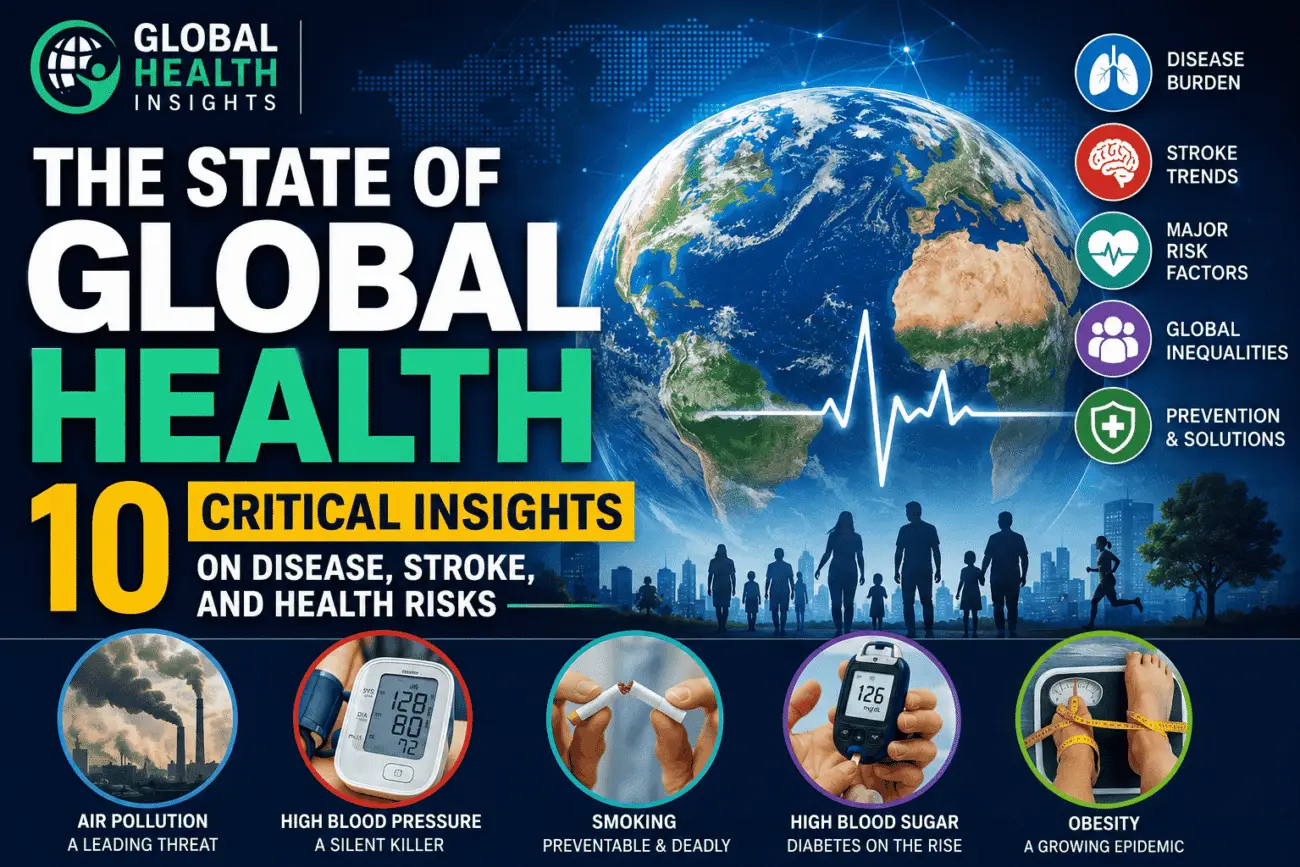
Overall, the GBD 2021 Risk Factors Study demonstrates that a significant proportion of global disease burden is attributable to preventable and modifiable risk factors. Air pollution, high blood pressure, smoking, high blood sugar, and obesity are among the most important threats to global health today. Addressing these risks through effective public health policies, healthier lifestyles, and improved healthcare access will be essential for reducing disease burden and improving population health in the future (Brauer et al., 2024; Feigin et al., 2024).
7. The Rise of Metabolic Risk Factors
One of the most important findings from the Global Burden of Disease (GBD) 2021 Risk Factors Study is the rapid rise of metabolic risk factors worldwide. While many traditional public health risks, such as unsafe water, poor sanitation, and household air pollution, have declined over the past two decades, metabolic risks have moved in the opposite direction. Conditions linked to obesity, high blood sugar, and cardiovascular dysfunction are now responsible for a growing share of global disease burden (Brauer et al., 2024).
According to the GBD analysis, disability-adjusted life years (DALYs) attributable to metabolic risks increased by nearly 50% between 2000 and 2021. This trend reflects major changes in lifestyles, dietary habits, physical activity patterns, and population aging across both developed and developing countries (Brauer et al., 2024).
As the world continues to urbanize and life expectancy increases, metabolic health has become one of the defining challenges of modern public health.
7.1 Why Obesity Is Increasing Worldwide
Obesity has emerged as one of the fastest-growing health concerns of the 21st century. Once considered primarily a problem of high-income countries, obesity is now increasing across almost every region of the world, including many low-income and middle-income nations (Brauer et al., 2024).
Several factors are contributing to this global trend. Rapid urbanization has altered traditional lifestyles, leading to reduced physical activity and greater reliance on motorized transportation. At the same time, increased availability of highly processed foods, sugary beverages, and energy-dense diets has contributed to excessive calorie consumption.
Technological advances have also changed how people work and spend their leisure time. Sedentary occupations, increased screen time, and reduced physical activity have become common in both developed and developing countries. These behavioral changes have created conditions that promote weight gain and increase the risk of obesity-related diseases.
The GBD 2021 study found that exposure to high body mass index (BMI) has increased steadily over time, with global exposure levels rising by approximately 1.8% annually since 2000 (Brauer et al., 2024). This consistent increase highlights the growing scale of the obesity epidemic and its potential consequences for future population health.
7.2 High BMI and Future Disease Burden
Body mass index (BMI) is widely used as an indicator of body fat and obesity-related health risk. Elevated BMI is associated with numerous adverse health outcomes, including cardiovascular disease, stroke, type 2 diabetes, chronic kidney disease, certain cancers, and musculoskeletal disorders.
The GBD 2021 Risk Factors Study identified high BMI as one of the fastest-growing contributors to global disease burden. Age-standardized DALY rates attributable to high BMI increased significantly between 2000 and 2021, reflecting both increasing obesity prevalence and its widespread health impacts (Brauer et al., 2024).
The consequences of rising BMI extend far beyond individual health. Increasing obesity rates place additional pressure on healthcare systems, increase healthcare expenditures, reduce workforce productivity, and contribute to long-term economic challenges. Furthermore, obesity often develops early in life, increasing the likelihood of chronic disease throughout adulthood.
The relationship between obesity and stroke is particularly important. Feigin et al. (2024) identified obesity as a major contributor to stroke risk through its effects on blood pressure, diabetes, lipid metabolism, and cardiovascular health. As obesity rates continue to rise globally, the burden of stroke and other non-communicable diseases may increase further.
These findings suggest that preventing obesity should be a central component of future public health strategies.
7.3 The Growing Impact of High Fasting Plasma Glucose
Alongside obesity, high fasting plasma glucose (FPG) has emerged as another major metabolic risk factor driving global disease burden. Elevated blood glucose levels are a key indicator of diabetes and impaired glucose metabolism, both of which increase the risk of serious health complications.
According to Brauer et al. (2024), high FPG was among the top contributors to global disease burden in 2021. Exposure to elevated blood glucose levels has increased steadily worldwide, with annual growth rates exceeding 1% over the past two decades. This rise mirrors the global increase in obesity and sedentary lifestyles.
The health consequences of high FPG are extensive. Diabetes is associated with cardiovascular disease, stroke, kidney failure, vision impairment, nerve damage, and premature mortality. In many countries, diabetes has become one of the leading causes of disability and healthcare expenditure.
The interaction between obesity and high FPG is particularly concerning. Excess body weight often contributes to insulin resistance, which can eventually lead to type 2 diabetes. Together, these conditions create a cycle of increasing metabolic dysfunction and elevated disease risk.
From a public health perspective, the growing burden of high FPG highlights the need for early prevention, regular screening, healthier diets, and increased physical activity. Without effective intervention, diabetes and related metabolic disorders are likely to remain major contributors to global disease burden for decades to come (Brauer et al., 2024).
8. Climate, Air Pollution, and Environmental Health Risks
Environmental factors have always influenced human health, but their importance has become increasingly evident in recent decades. Rapid urbanization, industrialization, climate change, and growing environmental degradation are exposing billions of people to health risks that extend far beyond traditional infectious diseases. The Global Burden of Disease (GBD) 2021 studies highlight the significant role of environmental exposures in shaping global health outcomes and contributing to premature mortality and disability (Brauer et al., 2024).
Among these risks, air pollution stands out as one of the most important threats to human health. At the same time, growing evidence suggests that climate-related hazards, including extreme temperatures, may further increase the burden of cardiovascular diseases and stroke. Together, these findings emphasize the need to view environmental protection as a critical component of public health policy.
8.1 Air Pollution as a Leading Global Health Threat
Air pollution is now recognized as one of the most serious environmental health challenges worldwide. According to the GBD 2021 Risk Factors Study, particulate matter air pollution was the single largest contributor to global disease burden in 2021, accounting for approximately 8% of total disability-adjusted life years (DALYs) globally (Brauer et al., 2024).
Fine particulate matter (PM₂.₅) can penetrate deep into the respiratory system and enter the bloodstream, affecting multiple organs throughout the body. Long-term exposure has been linked to cardiovascular disease, stroke, chronic respiratory diseases, lung cancer, and premature death. As a result, air pollution affects not only respiratory health but also overall population health and life expectancy.
Although many countries have reduced household air pollution through cleaner energy technologies, ambient air pollution remains a major concern. Rapid urban growth, industrial emissions, transportation systems, and fossil fuel combustion continue to expose large populations to harmful pollutants, particularly in densely populated urban areas (Brauer et al., 2024).
The persistence of air pollution demonstrates that environmental health challenges cannot be solved solely through medical treatment. Effective policies aimed at reducing emissions and improving air quality are essential for preventing disease and protecting public health.
8.2 Temperature Extremes and Stroke Risk
In addition to air pollution, climate-related environmental changes are emerging as important public health concerns. Rising global temperatures and increasing frequency of extreme weather events have raised questions about their impacts on human health.
Research summarized by Feigin et al. (2024) indicates that temperature extremes may contribute to stroke risk through several biological mechanisms. Extreme heat can increase dehydration, blood viscosity, and cardiovascular stress, while extreme cold may elevate blood pressure and place additional strain on the circulatory system. These physiological responses can increase the likelihood of stroke, particularly among vulnerable populations.
Older adults, individuals with pre-existing cardiovascular conditions, and populations with limited access to healthcare are especially susceptible to climate-related health impacts. In many regions, climate change may amplify existing health inequalities by disproportionately affecting communities that are already vulnerable.
Although the relationship between climate factors and stroke continues to be investigated, current evidence suggests that environmental conditions should be considered alongside traditional risk factors such as hypertension, smoking, obesity, and diabetes when assessing future stroke burden (Feigin et al., 2024).
8.3 Why Environmental Health Matters More Than Ever
The findings from the GBD studies demonstrate that environmental health is no longer a separate issue from public health. Air quality, climate conditions, water resources, and environmental exposures directly influence disease patterns, healthcare costs, and population well-being.
One of the most important lessons from the GBD 2021 Risk Factors Study is that many environmental risks are preventable. Significant reductions in disease burden can be achieved through policies that improve air quality, promote sustainable urban development, reduce emissions, and strengthen environmental regulations (Brauer et al., 2024).
Environmental health also intersects with many other global challenges. Air pollution contributes to cardiovascular disease and stroke, while climate change affects food security, water availability, disease transmission, and human migration. These interconnected impacts mean that environmental policies often generate substantial health benefits alongside environmental improvements.
As countries work toward sustainable development and climate resilience, protecting environmental health will become increasingly important for reducing disease burden and improving quality of life. The evidence from the GBD 2021 studies suggests that future public health success will depend not only on advances in medicine but also on creating healthier environments in which people can live, work, and thrive (Brauer et al., 2024; Feigin et al., 2024).
Ultimately, addressing environmental health risks represents one of the greatest opportunities for improving global health in the coming decades. By reducing pollution, adapting to climate change, and promoting healthier environments, societies can prevent millions of deaths and disabilities while supporting a more sustainable future.
9. Lessons for Public Health Policy and Prevention
The Global Burden of Disease (GBD) 2021 studies provide a clear message for policymakers, healthcare professionals, and public health organizations: many of today’s leading health challenges are preventable. While advances in medical treatment have saved millions of lives, the growing burden of chronic diseases, stroke, metabolic disorders, and environmental health risks demonstrates that treatment alone is not enough (Ferrari et al., 2024; Brauer et al., 2024).
The findings highlight the importance of prevention, stronger healthcare systems, and targeted interventions aimed at reducing exposure to major risk factors. As countries face aging populations and increasing healthcare costs, investing in public health may be one of the most effective strategies for improving long-term health outcomes.
9.1 Prevention Versus Treatment
Modern healthcare systems have achieved remarkable success in diagnosing and treating diseases. However, many of the leading causes of disability and premature death are linked to preventable risk factors such as smoking, high blood pressure, obesity, unhealthy diets, physical inactivity, and air pollution (Brauer et al., 2024).
The GBD studies suggest that preventing disease before it develops often provides greater health benefits and lower costs than treating illness after it occurs. For example, reducing exposure to high blood pressure, smoking, and obesity can significantly decrease the risk of stroke, cardiovascular disease, diabetes, and several other chronic conditions (Feigin et al., 2024).
The success of tobacco-control policies demonstrates the value of prevention-focused approaches. Many countries have achieved substantial reductions in smoking-related disease burden through public awareness campaigns, taxation policies, advertising restrictions, and smoking cessation programs (Brauer et al., 2024).
Similarly, investments in healthy diets, physical activity promotion, obesity prevention, and environmental protection can generate long-term health benefits across entire populations. Prevention not only improves health outcomes but also reduces pressure on healthcare systems and lowers healthcare expenditures.
9.2 Strengthening Health Systems
Strong healthcare systems are essential for responding to both existing and emerging health challenges. The COVID-19 pandemic exposed weaknesses in healthcare infrastructure across many countries and highlighted the importance of preparedness, surveillance, and equitable access to care (Ferrari et al., 2024).
Effective health systems must be capable of addressing a broad range of health needs, from infectious disease outbreaks to chronic disease management and rehabilitation services. This requires investments in healthcare facilities, trained healthcare workers, diagnostic technologies, public health surveillance, and community-based healthcare programs.
The burden of stroke illustrates the importance of healthcare system capacity. Early diagnosis, rapid treatment, rehabilitation services, and long-term management can significantly improve outcomes for stroke patients. However, access to these services remains uneven across regions, contributing to disparities in mortality and disability (Feigin et al., 2024).
Strengthening primary healthcare is particularly important. Primary care services play a critical role in identifying risk factors early, promoting healthy behaviors, managing chronic diseases, and reducing the need for more costly hospital-based interventions.
The lessons from the GBD studies suggest that resilient healthcare systems are not only essential for managing disease but also for preventing it.
9.3 Prioritizing Modifiable Risk Factors
Perhaps the most important lesson from the GBD 2021 analyses is that many of the leading contributors to disease burden are modifiable. Unlike genetic factors or aging, modifiable risk factors can be reduced through policy interventions, healthcare programs, and individual behavior changes (Brauer et al., 2024).
The GBD Risk Factors Study identified particulate matter air pollution, high systolic blood pressure, smoking, high fasting plasma glucose, and high body mass index (BMI) among the leading contributors to global disease burden in 2021 (Brauer et al., 2024). These risks are associated with a wide range of diseases, including cardiovascular disease, stroke, diabetes, respiratory illness, and certain cancers.
Targeting these risk factors can produce substantial health gains. For example, improving blood pressure control can reduce stroke and cardiovascular disease risk, while reducing air pollution exposure can prevent millions of pollution-related illnesses and deaths. Similarly, addressing obesity and diabetes through healthier lifestyles and preventive healthcare can help reduce the growing burden of metabolic diseases.
Importantly, many risk factors are interconnected. Obesity can contribute to diabetes and hypertension, while air pollution can increase cardiovascular and respiratory disease risk. As a result, comprehensive public health strategies that address multiple risk factors simultaneously are likely to be the most effective.
The evidence from the GBD 2021 studies suggests that the future of public health will depend increasingly on prevention-oriented policies that reduce exposure to major health risks before disease develops. By prioritizing modifiable risk factors and strengthening healthcare systems, countries can make substantial progress toward improving population health and reducing future disease burden (Ferrari et al., 2024; Feigin et al., 2024; Brauer et al., 2024).
Ultimately, the greatest health gains of the coming decades may come not from treating diseases more effectively, but from preventing them in the first place.
10. Key Takeaways: The Future of Global Health
The findings from the Global Burden of Disease (GBD) 2021 studies provide a comprehensive picture of the current state of global health and the challenges that lie ahead. Together, the analyses of disease burden, stroke burden, and risk factors reveal a world that has made significant health progress over recent decades but is now facing a new generation of health threats driven by aging populations, chronic diseases, metabolic disorders, and environmental risks (Ferrari et al., 2024; Feigin et al., 2024; Brauer et al., 2024).
Understanding these trends is essential for guiding future public health policies, healthcare investments, and prevention strategies. While many traditional health challenges remain important, the future of global health will increasingly depend on how effectively societies respond to the growing burden of non-communicable diseases and their underlying risk factors.
10.1 The Biggest Findings from the Latest Research
Several important themes emerge from the GBD 2021 studies.
First, the world is undergoing a major epidemiological transition. While substantial progress has been made in reducing the burden of many communicable diseases, chronic non-communicable diseases now account for the majority of global illness, disability, and premature mortality (Ferrari et al., 2024).
Second, stroke remains one of the most significant public health challenges worldwide. Despite improvements in treatment and healthcare access, millions of people continue to experience stroke-related disability and death each year, with substantial inequalities across regions and populations (Feigin et al., 2024).
Third, the global burden of disease is increasingly driven by modifiable risk factors. Air pollution, high blood pressure, smoking, obesity, and high fasting plasma glucose were identified as some of the leading contributors to disease burden in 2021 (Brauer et al., 2024).
Another major finding is the rapid growth of metabolic risks. The burden attributable to high body mass index (BMI), diabetes, and related metabolic disorders has increased considerably over the past two decades, reflecting widespread changes in lifestyle, diet, and physical activity patterns (Brauer et al., 2024).
Finally, the studies demonstrate that health inequalities remain a major global challenge. Significant differences persist between countries, regions, and socioeconomic groups in terms of disease burden, healthcare access, life expectancy, and exposure to health risks (Ferrari et al., 2024).
10.2 What Researchers and Policymakers Should Focus On
The evidence from these studies points to several priorities for future research and public health action.
One key priority is prevention. Many of the leading contributors to global disease burden are preventable through lifestyle modifications, environmental improvements, and early healthcare interventions. Reducing smoking, improving diets, increasing physical activity, controlling blood pressure, and reducing air pollution exposure can produce substantial health benefits across populations (Brauer et al., 2024).
Researchers should continue investigating the complex interactions among environmental, behavioral, metabolic, and social determinants of health. As chronic diseases become more prevalent, understanding these relationships will be essential for developing effective interventions.
Policymakers should also prioritize strengthening primary healthcare systems. Early diagnosis and management of risk factors such as hypertension, diabetes, and obesity can significantly reduce the burden of cardiovascular diseases and stroke (Feigin et al., 2024).
Investment in health equity is equally important. Addressing disparities in healthcare access, education, income, and environmental conditions can help reduce the unequal distribution of disease burden observed across many regions of the world (Ferrari et al., 2024).
Furthermore, the growing role of environmental risks highlights the need for closer integration of public health and environmental policies. Efforts to improve air quality, promote sustainable development, and adapt to climate change may generate significant health benefits while supporting broader sustainability goals.
10.3 Looking Ahead to Future Global Health Challenges
The future of global health will be shaped by a combination of demographic, environmental, technological, and social changes. Population aging will continue to increase the prevalence of chronic diseases, creating additional demands on healthcare systems worldwide (Ferrari et al., 2024).
At the same time, metabolic disorders such as obesity and diabetes are expected to remain major drivers of disease burden unless effective prevention strategies are implemented. The continued rise of these conditions could significantly increase healthcare costs and reduce healthy life expectancy in many countries (Brauer et al., 2024).
Environmental challenges are also likely to play an increasingly important role. Air pollution, climate change, extreme weather events, and environmental degradation have direct and indirect impacts on human health, making environmental protection a critical component of future public health planning (Brauer et al., 2024).
Emerging infectious diseases remain another important concern. The COVID-19 pandemic demonstrated that global health systems must remain prepared for future outbreaks while simultaneously addressing long-term chronic disease burdens (Ferrari et al., 2024).
Despite these challenges, there are also reasons for optimism. Advances in medical science, public health surveillance, digital health technologies, and data-driven decision-making offer new opportunities to improve health outcomes and reduce disease burden. The lessons learned from the GBD 2021 studies provide a strong foundation for designing more effective and equitable health policies in the future.
Ultimately, the future of global health will depend on balancing treatment with prevention, addressing health inequalities, reducing exposure to major risk factors, and creating healthier environments for future generations. The evidence is clear: improving global health requires not only better healthcare but also sustained action on the social, behavioral, metabolic, and environmental factors that shape human well-being (Ferrari et al., 2024; Feigin et al., 2024; Brauer et al., 2024).
References:
Brauer, M., Roth, G. A., Aravkin, A. Y., Zheng, P., Abate, K. H., Abate, Y. H., … Gakidou, E. (2024). Global burden and strength of evidence for 88 risk factors in 204 countries and 811 subnational locations, 1990–2021: a systematic analysis for the Global Burden of Disease Study 2021. The Lancet, 403(10440), 2162–2203. https://doi.org/10.1016/S0140-6736(24)00933-4
Feigin, V. L., Abate, M. D., Abate, Y. H., ElHafeez, S. A., Abd-Allah, F., Abdelalim, A., … Murray, C. J. L. (2024). Global, regional, and national burden of stroke and its risk factors, 1990–2021: a systematic analysis for the Global Burden of Disease Study 2021. The Lancet Neurology, 23(10), 973–1003. https://doi.org/10.1016/S1474-4422(24)00369-7
Ferrari, A. J., Santomauro, D. F., Aali, A., Abate, Y. H., Abbafati, C., Abbastabar, H., … Murray, C. J. L. (2024). Global incidence, prevalence, years lived with disability (YLDs), disability-adjusted life-years (DALYs), and healthy life expectancy (HALE) for 371 diseases and injuries in 204 countries and territories and 811 subnational locations, 1990–2021: a systematic analysis for the Global Burden of Disease Study 2021. The Lancet, 403(10440), 2133–2161. https://doi.org/10.1016/S0140-6736(24)00757-8
